The rapid rise of ecommerce, particularly as a result of COVID-19, means more people are now shopping online than ever before. The convenience of browsing from the safety of your own home has increased…. But another type of customer has also realised the profits that can be reaped from the world of eCommerce – hackers.
Internet technology is being exploited by hackers who use tricks and tools to intercept payments and steal your card details, so you need to be even more careful than ever. Fortunately, it’s possible to make sure you have a safe online shopping experience if you follow these five tips.
1. Ensure the website uses HTTPS
When shopping online, make sure the website you are using starts with HTTPS, rather than just HTTP. The added S stands for secure and ensures that your data is sent over an encrypted connection, making it impossible for hackers to read it if intercepted.
On the Chrome browser, a closed padlock next to the website URL indicates that HTTPS is being used and the website is safe. To define a website as HTTPS, the owner needs to install expensive SSL certificates, so you know that the site owner is serious about their security.
2. Enable Your Browser’s Safety Features
Whether you use Safari, Chrome, or Edge, your browser will have certain built-in safety features that should always be on. Check in the settings of your browser for features like Pop-up Blockers. You can also send ‘Do Not Track’ requests and disable Flash content.
With these settings enabled, you’ll be less exposed to the covert tricks that hackers use to steal your information. In certain browsers, you may also be able to block malicious files and restrict access to your webcam and microphone.
3. Check for Legitimate Trust Seals
Many online retailers now use a third-party company to verify their security and display this verification with a trust seal. Trust seals can often be found in the bottom right-hand corner of the online shop’s home page, with many shops displaying more than one.
However, seeing the image of a trust seal alone is not enough to confirm legitimacy as they are easy to copy. To be 100% sure, click each seal to receive verification information from the trust seal’s provider. Examples of trust seals include Site Lock, Trust Lock, Safe Checkout
4. Never Click Links in Unsolicited Emails
A common method used by hackers are email ‘phishing‘ scams – these are emails disguised as special offers or gifts, prompting the reader to click a link. These links can secretly install malware on your computer which can steal your information, or direct you to a false website where hackers trick you into giving away card details.
If you receive an unsolicited email offering free gifts or promising unbelievable discounts, remember the old adage: “If it sounds too good to be true, it probably is.” Hackers can even fake emails from trusted retailers, so make sure the email address looks genuine and double-check if the ‘special offer’ is available on the company’s website.
5. Use a Trusted Payment Gateway
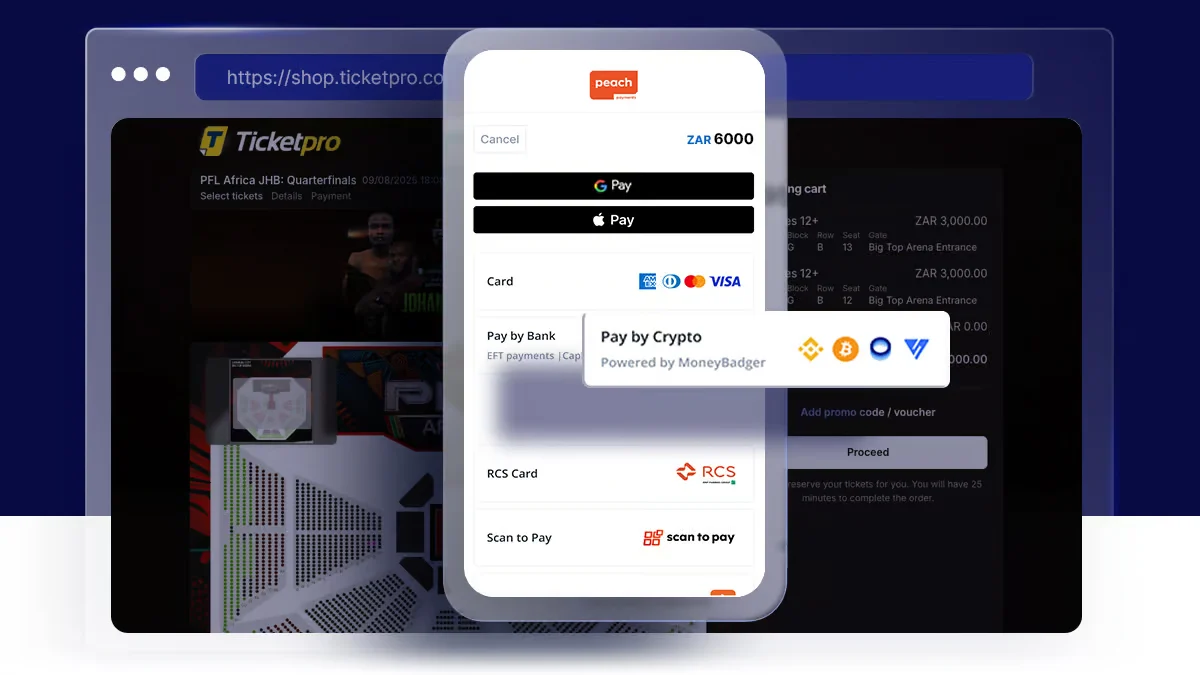
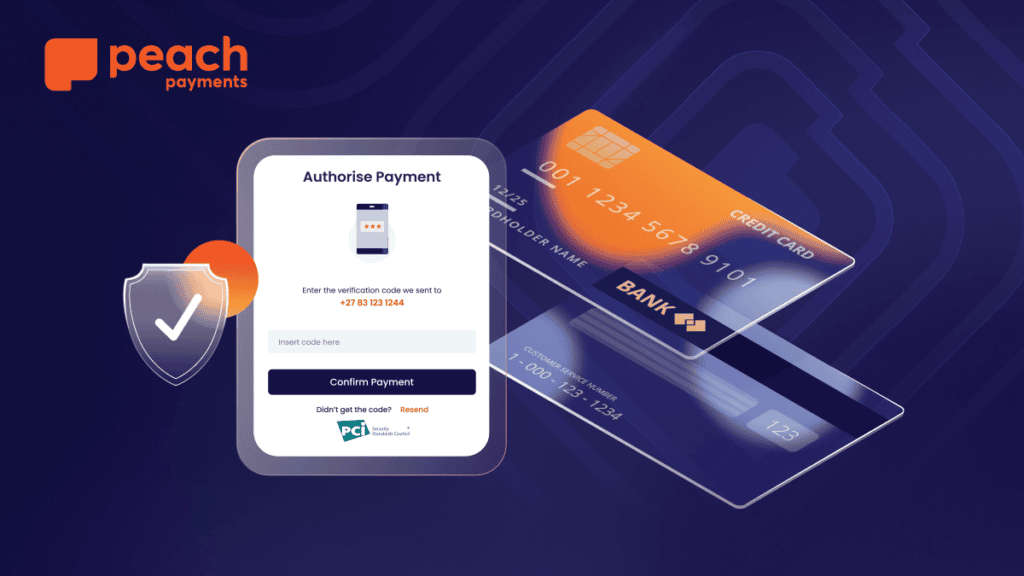
Online retailers typically use a third-party provider to process card payments, so their shop is only as safe as the payment gateway they use. Whenever you enter your card details online, make sure the website uses a trusted third-party payment gateway.
With Peach Payments, you will receive a tailored security strategy designed to fit your specific business size, whether you’re a just individual retailer or an enterprise eCommerce giant. Our flexible solutions include world-class support, enterprise-grade security, and a seamless customer experience. If you operate an online eCommerce website, your customers will feel safe knowing that their details are being handled by a trusted third-party institution with a renowned reputation for online security.
We hope these tips will help you to stay safe when shopping online, or help you to provide your customers with a safer online experience.