With the sudden implementation of new Level 4 lockdown restrictions in South Africa, the health and fitness industry has been put under severe financial pressure. The new adjusted Level 4 regulations mean premises such as gyms and fitness centres aren’t allowed to remain open for public attendance. This has left thousands of personal trainers and gym instructors across the country with no venues to conduct their classes in. Health and fitness professionals that wish to earn an income and serve customers through the lockdown will have to jump on the ecommerce bandwagon and start providing online classes.
Here are some tips for getting started with a personal training website where you can host live virtual classes and keep your clients happy. All you need is some basic equipment, an internet connection, and a decent payment gateway.
1. Create a Website
Even if you mostly use social media or email to market your services, it’s important to set up your own personal website. This gives your business a more legitimate and professional appearance and provides a way to inform and update your clients on new products and developments.
The site should include information about you, your experience, and your qualifications along with links to your classes and payment methods. There is a wide range of affordable ecommerce platforms and web creation tools available online but if you aren’t skilled in this area, you can easily hire a freelancer to create a site for you.
2. Get the Right Technology
You’ll need at least one camera-enabled device to stream and record your live sessions, such as a smartphone, tablet, or laptop. You should also have a second laptop or tablet on hand to keep track of your client’s workout details, such as reps and exercises.
Although some trainers use high-quality AV equipment with professional lighting and audio, this is unnecessary when starting out. As long as you are in a quiet, well-lit room where your clients can see and hear you clearly, you should be fine.
3. Setup your online training programmes
There is a wealth of pre-written exercise programs online that provide you with various routines and fitness classes to get you started. These typically require a small payment to download but are convenient as you don’t need to be present to deliver the course.
However, developing your own live virtual training program will help to separate you from the competition and highlight your unique skill set. When starting out, it’s beneficial to mix pre-written programs with virtual classes until you have built up a strong following and can survive on virtual classes only.
4. Add a payment gateway
However you choose to deliver your online classes, you’ll need a quick and easy way to receive payments from your clients. Payment gateways are third-party applications that are integrated into your website, allowing customers to make online purchases.
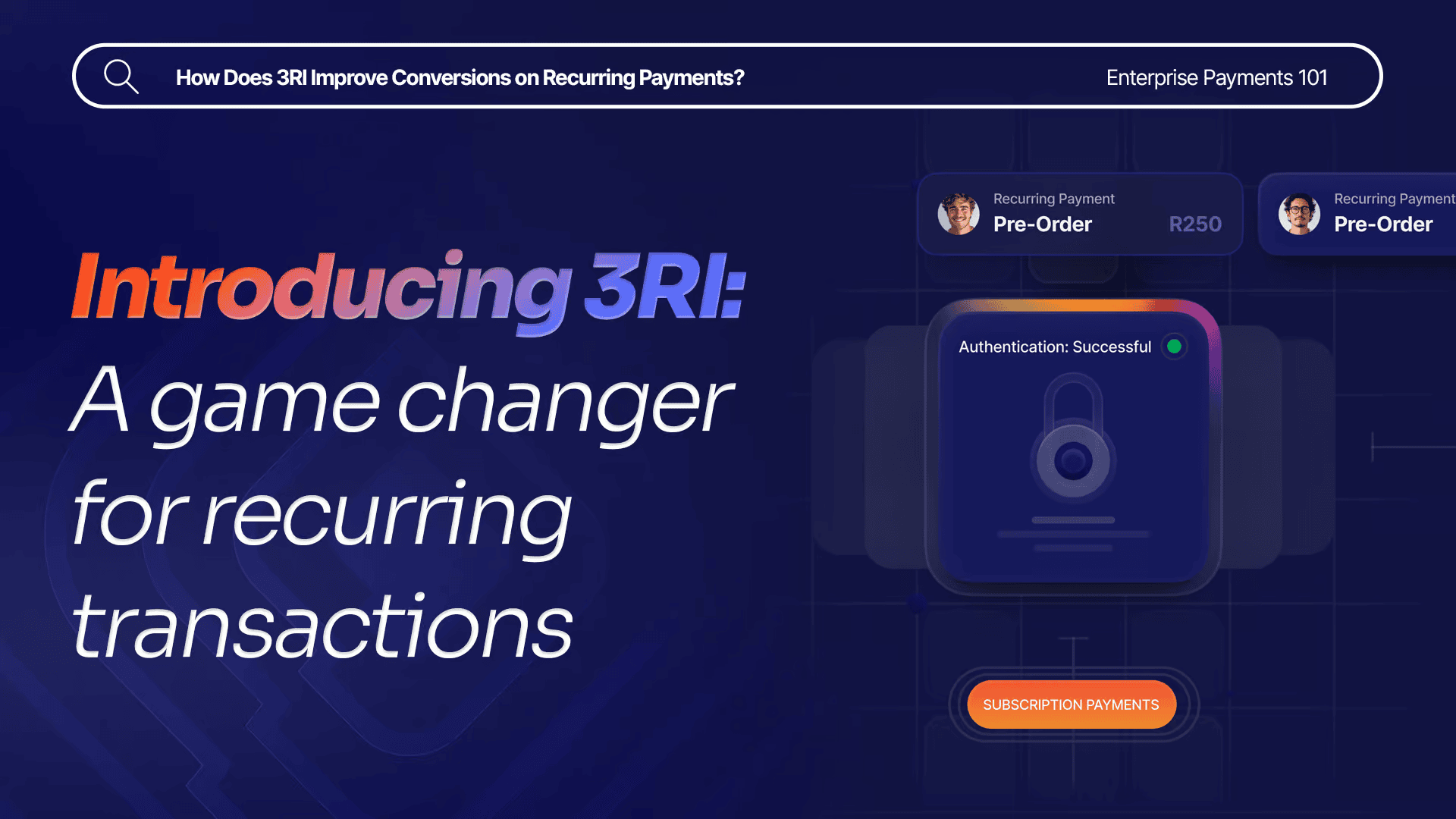
Look for a gateway that offers recurring payments so your customers can subscribe to weekly or monthly classes without having to fill in the credit card details at every instance. This also ensures regular cash flow for your business.
As ecommerce becomes the new normal, more and more businesses are embracing the move to an online-only environment. Get ahead of the competition by starting your online virtual classes today!
Start earning now!
With Peach Payments, you can easily integrate an online payment gateway into your website and start receiving payments from clients. Whether you’re just an individual fitness instructor or a full online gym with multiple trainers, we can tailor our products to suit your needs. Our flexible solutions include world-class support, enterprise-grade security, and a seamless customer experience.