What is SEO?
Search Engine Optimisation is the process of optimising content on the web in order to be discoverable by people who search for the relevant terms.

Why SMEs should care
Millions of searches happen online every day. There is a great amount of intentional traffic on the web. Most of these searchers are people who want to buy certain products or services. Searches clearly indicate that customers are willing to pay for something that you are offering.
This gives you the perfect opportunity to connect with these potential customers and become a resource for them.
Things Every SME should know about SEO
In order to become visible, you must understand three major components:
- What kind of content people want
- How search engines work
- How to optimise your website
Why content is important for SEO
If more visibility is what you’re looking for, then you’ll want to create more SEO-friendly content. Actionable marketer Heidi Cohen describes content as “high quality information that conveys a story and creates engagement.”
Google only delivers useful and relevant results, so your content needs to be organised as useful and relevant to the customer who is searching as well as credible and engaging.

How to optimise your content for SEO
Begin by researching how certain terms and phrases are used and how they react in search results. Try to tailor your phrases strategically in order to better suit your product.
Try not to copy a keyword too many times just because it’s a high-ranking keyword. Google will penalise your page by pushing it lower down if it sounds too robotic or insincere.
Your title tags are the first things people will see after searching for you. So make sure that they are relevant. Always use your brand name and make sure to keep your character count between 45 and 55 characters.
You’ll easily be able to confirm the association between what your web page can help with and what the searcher is looking for by introducing keywords into your URL.
- Write good meta descriptions
This will describe your site to viewers and capture their interest. This will have an indirect effect on your rankings because of the behaviour of the searcher.
You can also use websites as authoritative references by adding links and hyperlinks within the text.
- Optimise for mobile devices
Google will penalise your site if it isn’t optimised for a mobile device.
Why keywords are important
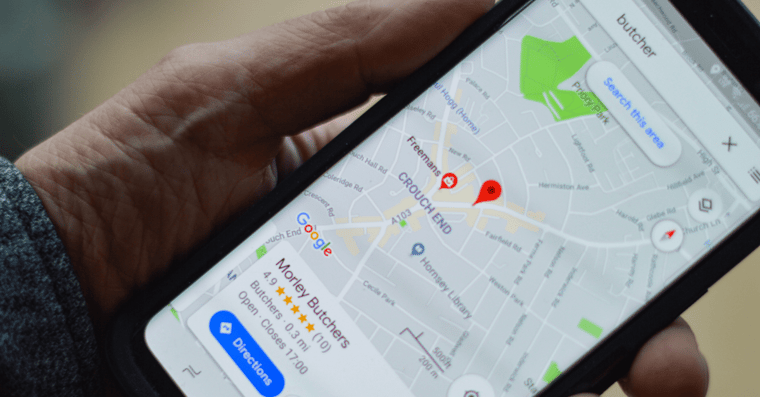
SEO keywords can either be single words or a well-structured phrase which can be used to inform website content to get more relevant search traffic. Keywords are what your audience will use when searching your product online.
Example, if you sell clothed online in Cape Town someone might search: online clothing store in Cape Town
This means a lot to Google and SEO professionals for two major reasons:
- Keywords gives Google a clue to who you are and what you want regarding your search
- Keywords provide a target towards which people can aim their content
Why links are important for SEO
A hyperlink is a clickable option on a webpage that will lead you from one site or page to the next. An inbound link is a link that comes from another domain.
There is always a good reason why there would be a link that takes you from one page to the next.
Links on webpages are like votes and the more links you have in your content the more votes you have which means a greater SEO ranking.
Links have always been important when it comes to SEO because they indicate certain values.
Links represent the quality of a page’s content if they are natural. Links are still critical because in 2016, Googler Andrey Lipattsev said that “links are still one of the top two ranking factors” when it comes to SEO.
Some Tips for Good SEO
- Always create links that send the reader to other high quality websites that are relevant
- You should always write for humans
- Make sure to always first have your web analytics in place
- Always write relevant meta descriptions for each page